programmes
Food Security, Agriculture, Environment Management and Climate Action
OVERVIEW
This programming area addresses the critical intersection of water, food, nutrition security, and gender equity by empowering women and youth to lead sustainable agricultural practices. The interventions are designed to ensure that Gender Equity and Social Inclusion (GESI) is embedded, enabling women to actively participate in community development processes. The 4-H Zimbabwe has signed a memorandum of understanding (MOU) with the Ministry of Lands, Agriculture, Fisheries, Water, and Rural Development (MoLAFWRD) and the Ministry of Youth Empowerment, Development, and Vocational Training (MoYEDVT) to improve food security and build climate change resilience among rural communal farmers, particularly women and youth in Zimbabwe. This will be achieved through capacity-building programs and the provision of climate change adaptation resources.
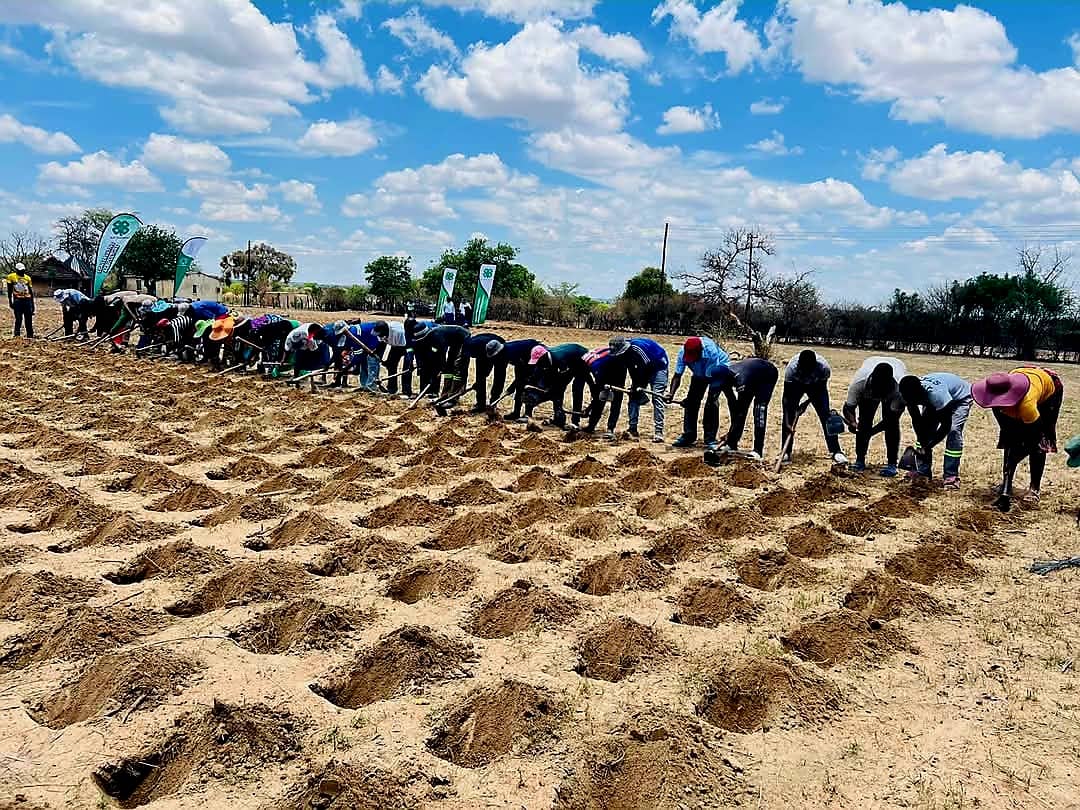
The organization complements the efforts of the Government of Zimbabwe in strengthening climate change resilience and promoting nutrition-sensitive farming among vulnerable farmers in marginalized communities. Its initiatives include farmer field schools (FFS), the establishment of solar-powered, women-led nutrition gardens and village business units (VBUs), empowerment of local Agricultural Business Advisory Officers (ABAOs), drilling boreholes to provide alternative irrigation facilities and access to clean and safe water, tree planting, and gender- and youth-sensitive policy advocacy and engagement meetings.In addition, the organization has partnered with the Forestry Commission (FCZ) and the Environmental Management Agency (EMA) to facilitate inclusive and sustainable natural resource governance, as well as climate mitigation and adaptation strategies in Zimbabwe.