
Rescuing Zimbabwe from El Niño: Scaling Farmer Field Schools and Village Business Units.
By John Muchenje
4-H Zimbabwe Foundation, Executive Director
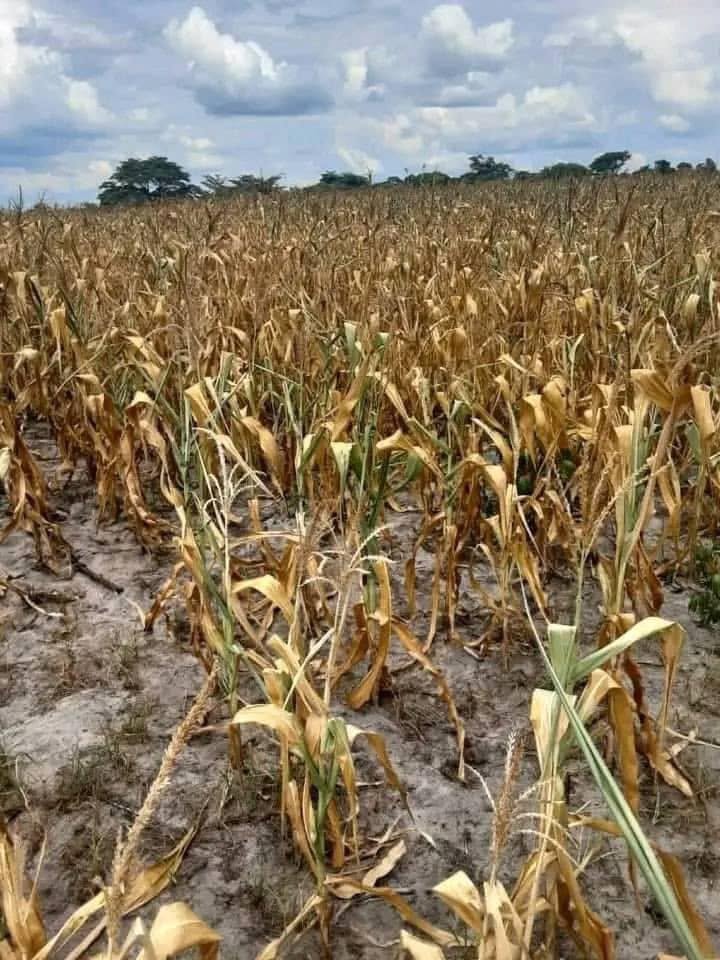
Global forecasting centres, including the NOAA Climate Prediction Centre, project an 88–94% likelihood of El Niño emerging during the 2026/27 rainy season, historically linked to a 65% probability of below-normal rainfall in Zimbabwe. Such conditions threaten water security, agriculture, and socio-economic stability, with recurring El Niño-induced droughts severely impacting food security, water resources, and livestock. In response, the Government has prioritized climate-proofing agriculture through the Pfumvudza/Intwasa conservation farming initiative, expansion of irrigation infrastructure, and strengthening of grain reserves. In June 2026, the Zimbabwe Cabinet approved the 2026/2027 summer crops, horticulture, fisheries, and livestock production plan to serve as an economic buffer against climate shocks (Government of Zimbabwe, Post-Cabinet Briefing, June 2026, Ministry of Information, Publicity and Broadcasting Services). This plan aims not only to cushion vulnerable communities but also to transform rural agriculture into a more sustainable, nutrition-sensitive, and commercially viable sector.
Can the ongoing Farmer Field Schools (FFSs) and targeted 35,000 Village Business Units (VBUs) mitigate this threat?
The Government of Zimbabwe, through the Ministry of Agriculture, Mechanisation and Water Resource Development (MoAMWRD), has been carrying out ward-based farmer education programs spearheaded by local ward-based Agricultural Business Advisory Officers (ABAOs), formerly known as Agritex officers. Smallholder farmers are essential to the nation’s agricultural production, playing a critical role in driving economic growth and ensuring household food security. Farmer Field Schools equip farmers with climate-smart skills from conservation farming (Pfumvudza/Intwasa) to crop diversification and nutrition-sensitive practices, strengthening resilience against El Niño’s drought effects. Farmers are encouraged to shift focus to drought-resistant and short-season variety crops such as finger (zviyo/uphoko) and pearl millet and sorghum (mapfunde). These FFSs empower communities by enhancing their adaptive capacity, promoting community cohesion, reducing vulnerability, and strengthening household-level food security.
These FFSs have been providing an answer to this, with the local ABAOs and development partners such as 4-H Zimbabwe, Harvest Plus Zimbabwe, World Vision, and FAO spearheading these trainings. Small grains and biofortified crops are vital in cushioning Zimbabwe against El Niño-induced droughts. They combine resilience to water stress with improved nutrition, helping communities withstand climate shocks while reducing hunger and malnutrition. Small grains such as sorghum, millet, rapoko, and biofortified crops like orange maize, iron-rich beans, and sweet potatoes are crucial in helping Zimbabwe mitigate drought impacts linked to El Niño. Small grains are naturally drought-tolerant, require less water, and mature faster than maize, making them reliable in semi-arid regions where rainfall is erratic. At the same time, biofortified crops not only withstand harsher conditions but also provide essential micronutrients that combat hidden hunger, ensuring communities remain nourished even when food supplies are limited.
The Impact of Village Business Units (VBUs)
The Government of Zimbabwe is targeting 35,000 VBUs by 2030, and to date, approximately 5,000 VBUs are fully functional throughout the country (Permanent Secretary, Ministry of Agriculture, Mechanisation and Water Resource Development, Professor Dr Obert Jiri). Zimbabwe’s rural landscape, traditionally reliant on subsistence farming for food security and income, is witnessing a transformative change through the establishment of Village Business Units (VBUs). These community-based agricultural business ventures, registered as professional commercial entities, are pioneering a new era of rural development focused on sustainable agribusiness and economic empowerment for the marginalised communities. The concept of VBUs stands at the intersection of agriculture and business, designed to generate income and improve livelihoods by engaging communities in horticulture, fisheries, and other agricultural activities. Each VBU encompasses approximately 1-2 hectares and is fully equipped with essential infrastructure, including solar-powered borehole with piped water systems, community water points, washing slabs, cattle troughs, and fishponds.
Other Strategies to Mitigate El Niño in Zimbabwe
Beyond farmer education and community agribusiness (VBUs, Zimbabwe is also investing in:
A. Strategic water harvesting initiatives
The Government of Zimbabwe has invested millions of dollars in water harvesting initiatives, with Tokwe Mukosi Dam becoming one of the flagship projects. Its capacity averages 1.75 billion m³, allowing for large-scale agricultural expansion, reducing dependence on erratic rainfall, and strengthening food security. Tokwe Mukosi Dam, one of Zimbabwe’s largest inland water bodies, is playing a critical role in addressing hunger by enabling irrigation in drought-prone regions. The dam has enabled irrigation schemes in Masvingo and surrounding provinces, reducing reliance on rainfall. These irrigation schemes have supported the cultivation of irrigated crops, directly addressing hunger during El Niño-induced droughts rather than waiting for natural rainfall. In addition, we have seen large-scale farmers being established in the drought-prone regions, taking advantage of the water body, boosting national grain reserves.
B. Agriculture diversification
Zimbabwe is divided into five natural farming regions, each classified according to rainfall patterns, soil quality, and agricultural potential. Regions I and II are highly productive, while Regions IV and V are drought-prone and more vulnerable to El Niño effects. These regions guide crop and livestock production strategies across the country. Livestock can provide resilience, nutrition, and income during climate shocks. Livestock provides meat, milk, and eggs, ensuring food security when crop yields collapse due to drought. The livestock can provide income to the farmers, as the farmers can sell animals or animal products to generate cash when crops fail, cushioning households against hunger. The small livestock, such as goats and sheep, are drought-resistant; they can graze on marginal lands where crops cannot grow, making them less dependent on rainfall.
C. Precision farming and early warning systems
Farming is all about knowledge; the knowledge should be real-time, informative, and locally available. A farmer should know the variety of crops which suit his or her land, when to plant, and understand the diseases which affect the crops and which eco-friendly herbicides to use. The Government of Zimbabwe has invested in promoting e-agriculture through the capacitation of its ABAOs with necessary ICT gadgets. World Vision, 4-H Zimbabwe, and other development partners have partnered with the Government of Zimbabwe in the provision of tablets to the local ABAOs. Early warning systems and precision farming together form a strong shield against El Niño’s drought impacts in Zimbabwe. Early warning systems provide farmers with timely forecasts and alerts, enabling them to adjust planting calendars and select drought-tolerant crops before dry spells intensify. Precision farming uses tools like soil moisture sensors, GIS mapping, and smart irrigation to optimize resource use, ensuring that every drop of water and every input counts during erratic rainfall. By combining foresight with efficiency, these approaches reduce crop failure, stabilize food supplies, and strengthen community resilience, making them vital strategies for climate-proofing agriculture against El Niño.
4-H Zimbabwe Foundation’s role in addressing Food, Water, and Nutrition Insecurities in Zimbabwe
The organisation has been spearheading various initiatives that address food, nutrition, and water insecurities in Zimbabwe. These initiatives include structured farmer field schools (FFSs) in partnership with the ABAOs, the establishment of women-led nutrition gardens/village business units, and the empowerment of the ABAOs. To date, the organisation has established 16 fully solar-powered village business units in Zimbabwe, which have benefitted approximately 1,600 households in Hurungwe and Chiwundura Rural Districts. The FFSs facilitated by the organisation have reached over 16,000 farmers in Zimbabwe, and reported 30% improvement in food security. 67 ICT gadgets have been distributed to the local ABAOs. With the El Niño, predicted during the 2026/2027 farming season, the organisation is working on intensifying its efforts on the establishment of VBUs, with the plan to set up 100 VBUs, empowering an additional 500 ABAOs with ICT gadgets and capacitating around 500,000 small-scale farmers in the Southern part of Zimbabwe in the next two years.
Conclusion
Zimbabwe’s resilience to El Niño will depend on scaling up structured Farmer Field Schools (FFSs) and expanding Village Business Units (VBUs), which are already equipping farmers with climate-smart skills, diversified nutrition gardens, and commercial agribusiness opportunities. Aligned with Zimbabwe’s open-for-business and Vision 2030, the Ministry of Agriculture must deepen partnerships with development actors, while the Ministry of Finance ensures adequate budget allocations to address this climate crisis. When combined with strategic water harvesting projects like Tokwe Mukosi Dam, the promotion of drought-tolerant small grains and biofortified crops, and the integration of early warning systems with precision farming, the country builds a robust safety net against drought-induced hunger. Livestock and fisheries further diversify livelihoods, ensuring households can withstand crop failures. Ultimately, the success of these interventions lies in their inclusivity, sustainability, and nationwide reach. El Niño need not be a recurring disaster; with FFSs and VBUs, Zimbabwe can turn climate shocks into opportunities for innovation and resilience.